
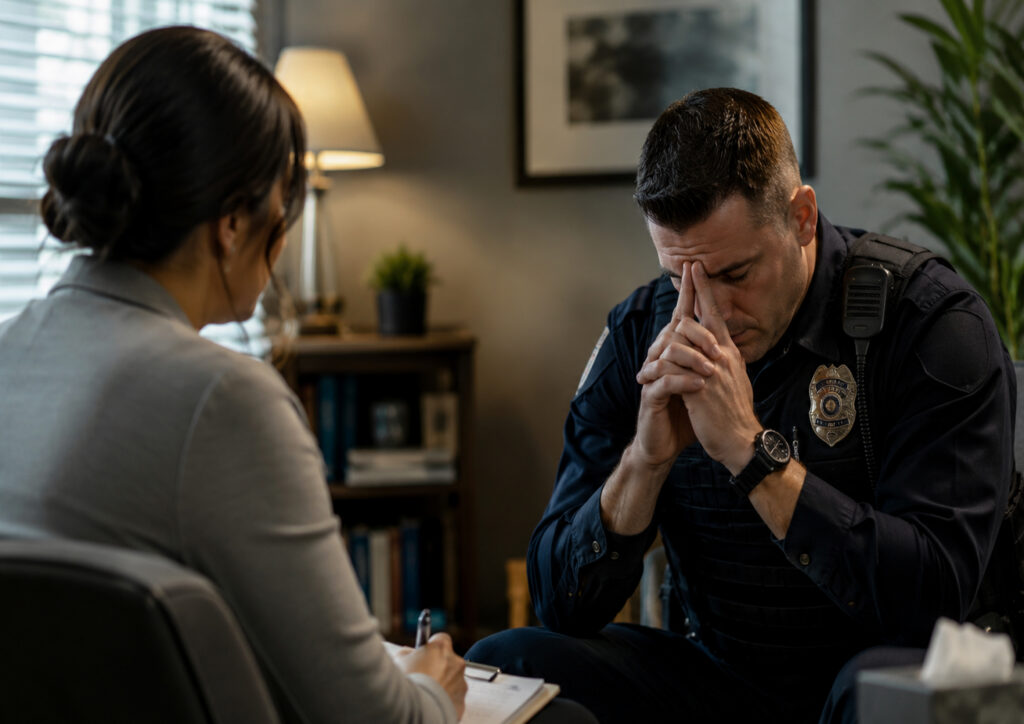
Law enforcement officers in Queen Creek serve a rapidly growing Arizona community with expanding public safety needs. As the town continues to develop, officers face a wider range of calls, greater community expectations, and increasing exposure to stressful or traumatic events. While officers are trained to respond with professionalism and control, repeated exposure to trauma can affect emotional health, decision-making, relationships, and long-term career resilience.
This is where a Police and Public Safety Psychologist Arizona becomes an essential partner for public safety agencies. Through specialized trauma support, Wellness Visits, Debriefing, leadership consultation, and other Arizona Police Psychology services, police psychologists help officers process difficult experiences in a healthy and structured way.
For Queen Creek agencies, trauma support is not just about responding after a crisis. Instead, it is about building a proactive system that helps officers remain resilient, connected, and ready to serve.
Emovere Psychology provides specialized police psychology services for law enforcement and public safety agencies in Queen Creek, Gilbert, Chandler, Mesa, Fountain Hills, and surrounding Arizona communities.
Why Trauma Support Matters for Queen Creek Officers
Queen Creek is one of Arizona’s rapidly growing communities. As population, traffic, development, and public safety demands increase, law enforcement officers may respond to more complex calls involving violence, injury, mental health crises, domestic conflict, child welfare concerns, serious collisions, and death notifications.
Although officers may appear calm during these events, the psychological impact can build over time. Trauma exposure does not always look dramatic from the outside. In many cases, officers continue working, answering calls, writing reports, and supporting the community while carrying the emotional weight internally.
Over time, unprocessed trauma may contribute to:
- Sleep problems
- Irritability
- Emotional numbness
- Hypervigilance
- Family strain
- Difficulty concentrating
- Reduced patience
- Burnout
- Increased cynicism
- Withdrawal from peers
- Lower motivation
Therefore, trauma support should be viewed as part of officer readiness. A Police and Public Safety Psychologist Arizona helps officers recognize these responses, understand what they mean, and develop healthier ways to manage them.
The Unique Nature of Law Enforcement Trauma
Police trauma is different from many other forms of workplace stress. Officers are repeatedly exposed to situations most people rarely encounter. They may witness violence, serious injury, death, grief, abuse, or extreme human suffering. Additionally, they must often remain composed, make fast decisions, and protect others while managing their own stress response.
Unlike a single traumatic event, law enforcement trauma often accumulates. One difficult call may be manageable, but years of exposure can create a heavier psychological load. This cumulative trauma can affect both new officers and experienced personnel.
A Police Psychologist understands that trauma in law enforcement is connected to duty, identity, responsibility, and culture. Officers may feel pressure to minimize their reactions, avoid discussing emotional pain, or push forward without support. However, ignoring trauma does not make it disappear. Instead, it may show up later through stress symptoms, relationship problems, health concerns, or performance changes.
Because of this, specialized Arizona Police Psychology services are especially valuable for Queen Creek agencies.
How a Police and Public Safety Psychologist Arizona Helps Officers Process Trauma
A Police and Public Safety Psychologist Arizona provides support that is tailored to the realities of public safety work. Rather than offering generic advice, a police psychologist understands the operational environment, chain of command, confidentiality concerns, critical incident exposure, and cultural expectations officers face.
Trauma support may include structured conversations, psychoeducation, coping strategies, Debriefing, Wellness Visits, and follow-up care when appropriate. Importantly, the goal is not to force officers to talk before they are ready. Instead, the goal is to create a professional space where officers can process experiences safely and effectively.
Police psychologists help officers:
- Understand common trauma reactions
- Reduce shame or stigma around stress
- Identify unhealthy coping patterns
- Improve emotional regulation
- Strengthen resilience
- Protect relationships
- Improve sleep and recovery
- Recognize when more support is needed
- Maintain professional readiness
For Queen Creek officers, this support can be especially important as the community grows and the demands of policing continue to evolve.
Debriefing After Critical Incidents
One of the most important ways police psychologists help officers process trauma is through Debriefing after critical incidents. A critical incident may involve a fatal crash, suicide, officer-involved shooting, child death, serious assault, line-of-duty injury, or any event that has a strong emotional impact on responding personnel.
Debriefing provides a structured opportunity for officers to review the psychological impact of the event, learn about common stress reactions, and receive guidance on next steps. It is not an investigation, disciplinary process, or performance review. Instead, it is a support-focused service.
A Police and Public Safety Psychologist Arizona can help officers understand that reactions such as sleep disruption, intrusive memories, emotional numbness, guilt, anger, or heightened alertness may occur after traumatic exposure. In many cases, understanding these reactions reduces fear and helps officers recover more effectively.
For Queen Creek agencies, Debriefing can also support team cohesion. When officers experience a difficult event together, structured support can reduce isolation and encourage healthy communication.
Wellness Visits as Ongoing Trauma Support
While Debriefing is often connected to a specific incident, Wellness Visits provide ongoing support throughout an officer’s career. These visits give officers a confidential opportunity to discuss stress, trauma exposure, family strain, burnout, sleep concerns, or career challenges before problems become more serious.
Wellness Visits are especially valuable because trauma does not always surface immediately. An officer may feel fine after a difficult call but notice symptoms weeks or months later. Regular check-ins create opportunities to identify concerns early.
In addition, Wellness Visits help normalize psychological support. When departments make wellness part of professional readiness, officers may be more likely to seek help without fear of stigma.
A Police Psychologist can use Wellness Visits to help officers build coping skills, improve stress recovery, and maintain long-term resilience. Over time, these visits can reduce burnout risk and strengthen department culture.
Supporting Officers With Cumulative Stress
Cumulative stress is one of the most common challenges in law enforcement. It develops gradually as officers experience repeated exposure to difficult calls, conflict, trauma, fatigue, and pressure.
Because cumulative stress builds slowly, officers may not always recognize it. They may simply feel more tired, cynical, detached, or easily irritated. Family members may notice changes before the officer does.
A Police and Public Safety Psychologist Arizona can help officers identify patterns and understand how repeated exposure affects the mind and body. Additionally, psychologists can help officers develop practical strategies for recovery between shifts.
These strategies may include improving sleep routines, setting healthy boundaries, strengthening communication at home, increasing peer support, and learning how to decompress after difficult calls.
For Queen Creek agencies, addressing cumulative stress early helps protect officer wellbeing and long-term performance.
Reducing Stigma Around Mental Health Support
Many officers hesitate to seek psychological support because they worry about stigma, confidentiality, or career consequences. This hesitation is understandable, especially in a profession where strength, control, and reliability are highly valued.
However, proactive support does not mean an officer is weak or unfit. On the contrary, seeking support can be a sign of professionalism and readiness. Just as officers maintain physical fitness, equipment, and tactical skills, they also need to maintain emotional resilience.
A Police and Public Safety Psychologist Arizona helps reduce stigma by providing services in a way that respects law enforcement culture. When officers feel understood, they are more likely to engage honestly.
Leadership also plays a major role. When command staff supports Wellness Visits, Debriefing, and trauma-informed resources, officers receive a clear message that psychological health matters.
How Trauma Support Improves Decision-Making
Trauma and chronic stress can affect decision-making. Officers under prolonged stress may experience reduced patience, narrowed attention, emotional reactivity, or difficulty processing information quickly.
In policing, these effects matter. Officers must make sound decisions under pressure, often with limited information. Emotional regulation, focus, and clear judgment are essential.
Through trauma support, a Police Psychologist can help officers understand how stress affects decision-making and develop strategies to stay grounded. This may include recognizing physiological stress cues, using breathing techniques, improving recovery habits, and learning how to manage emotional triggers.
As a result, officers may become better prepared to respond calmly and professionally during difficult encounters. For Queen Creek agencies, this supports both officer safety and public trust.
Helping Officers Protect Family Relationships
Trauma does not stay at work. Officers may bring stress home through irritability, emotional distance, sleep disruption, or difficulty communicating. Family members may notice that the officer seems withdrawn, impatient, or constantly on alert.
Over time, these patterns can strain marriages, parenting, friendships, and support systems. Because strong personal relationships can protect officer wellbeing, family strain should not be overlooked.
A Police and Public Safety Psychologist Arizona can help officers recognize how trauma exposure affects home life. Additionally, psychologists can provide practical strategies for communication, decompression, boundaries, and emotional connection.
For many officers, learning how to transition from work mode to home life is an important part of trauma recovery. When officers protect their relationships, they also strengthen their long-term resilience.
Leadership Consultation After Traumatic Events
Police leaders often face difficult decisions after traumatic incidents. They must support officers, maintain operations, communicate with stakeholders, and determine whether additional resources are needed.
A Police and Public Safety Psychologist Arizona can provide leadership consultation to help command staff respond effectively. This may include guidance on Debriefing, follow-up support, communication, confidentiality, and signs that an officer may need additional care.
For Queen Creek agencies, leadership consultation can be especially useful as the community grows and departments continue expanding services. Strong leadership response after trauma can shape department culture and influence whether officers feel supported.
Additionally, consultation helps supervisors avoid common mistakes, such as assuming officers are fine because they appear calm or waiting until symptoms become severe before offering support.
The Connection Between Trauma Support and Retention
Officer retention is a major concern for law enforcement agencies. Recruiting, hiring, training, and developing officers requires significant investment. When officers leave due to burnout, trauma exposure, or lack of support, departments lose experience and stability.
Trauma support can improve retention by helping officers manage the psychological demands of the job. When officers feel supported, they may be more likely to stay engaged and continue serving effectively.
Wellness Visits, Debriefing, and ongoing Arizona Police Psychology services also show officers that leadership values their wellbeing. This can improve morale, trust, and long-term commitment.
For Queen Creek agencies, retention is especially important during growth. As public safety needs increase, maintaining experienced and healthy personnel becomes a key part of department success.
How Pre Employment Evaluations Fit Into Trauma Readiness
Trauma support begins before an officer is hired. Pre Employment Evaluations help agencies identify candidates who have the psychological readiness for law enforcement work. These evaluations may assess emotional stability, stress tolerance, judgment, impulse control, communication skills, and resilience.
A candidate who is psychologically prepared for public safety work may be better equipped to manage trauma exposure later in their career. However, even strong candidates need ongoing support once they begin the job.
Therefore, Pre Employment Evaluations and trauma support should work together. The evaluation helps agencies select candidates with appropriate readiness, while Wellness Visits and Debriefing help officers maintain resilience over time.
A Police and Public Safety Psychologist Arizona can support the full employment lifecycle, from hiring to long-term wellness.
Why Queen Creek Agencies Benefit From Proactive Support
Queen Creek’s growth brings increased expectations for public safety agencies. As the community expands, officers may encounter more varied calls, increased traffic demands, greater community interaction, and more complex service needs.
Proactive trauma support helps agencies prepare for these demands. Rather than waiting for officers to reach a breaking point, departments can build wellness into the structure of the organization.
This may include:
- Regular Wellness Visits
- Critical incident Debriefing
- Leadership consultation
- Peer support coordination
- Pre Employment Evaluations
- Training on trauma and stress
- Follow-up after difficult incidents
- Confidential access to a Police Psychologist
With these supports in place, agencies can improve resilience and reduce the long-term effects of trauma exposure.
A thoughtful wellness network can help officers feel supported across every stage of service.
Local Relevance Across Arizona Communities
Although this topic focuses on Queen Creek, nearby communities also benefit from specialized police psychology services.
Gilbert, like Queen Creek, continues to grow rapidly. Agencies in both communities need proactive support to manage increasing public safety demands and officer wellness needs.
Chandler and Mesa operate in larger and more complex environments. Officers in these cities may face high call volume, diverse community needs, critical incidents, and cumulative stress. As a result, Wellness Visits, Debriefing, and leadership consultation can be highly valuable.
Fountain Hills may have smaller agency structures, but officers still experience traumatic calls and benefit from structured psychological support. For smaller agencies, access to a trusted Police and Public Safety Psychologist Arizona can provide resources that may not be available internally.
Across Queen Creek, Gilbert, Chandler, Mesa, and Fountain Hills, Arizona Police Psychology services help departments support officers, strengthen hiring, and improve long-term readiness.
Common Mistakes Agencies Make With Trauma Support
Even well-intentioned agencies can make mistakes when responding to officer trauma. Sometimes leaders assume that officers are fine because they continue working. In other cases, support is offered only after a major incident, while cumulative stress is overlooked.
Common mistakes include:
- Waiting until officers show visible distress
- Treating trauma support as a crisis-only service
- Relying only on informal peer conversations
- Overlooking family strain
- Not providing follow-up after Debriefing
- Ignoring cumulative stress
- Using generic providers unfamiliar with police culture
- Failing to communicate confidentiality clearly
- Not training supervisors to recognize stress patterns
Fortunately, these mistakes can be avoided with a structured approach. A Police and Public Safety Psychologist Arizona can help agencies create trauma support systems that are practical, confidential, and aligned with public safety culture.
Why Agencies Choose Emovere Psychology
Emovere Psychology specializes in police and public safety psychological services for Arizona agencies. With a focus on law enforcement needs, Emovere Psychology helps departments support officers, improve hiring decisions, and respond effectively after traumatic incidents.
Services include:
- Trauma support for officers
- Critical incident Debriefing
- Wellness Visits
- Pre Employment Evaluations
- Leadership consultation
- Officer stress support
- Team communication support
- Arizona Police Psychology services
- Public safety psychological support
For Queen Creek agencies, Emovere Psychology offers support designed around the realities of police work. Services are professional, confidential, and tailored to the unique needs of law enforcement and public safety organizations.
Additionally, Emovere Psychology understands that trauma support must be both proactive and responsive. Officers need resources before, during, and after difficult experiences.
Building Resilient Officers and Stronger Departments
Processing trauma is not about forgetting difficult events. Instead, it is about helping officers understand, manage, and recover from the impact of those experiences in healthy ways.
A Police and Public Safety Psychologist Arizona helps officers build resilience by providing education, support, coping strategies, and structured follow-up. Over time, these services can reduce burnout, improve morale, protect family relationships, and strengthen performance.
For Queen Creek agencies, this support is especially valuable as the community grows. Officers need resources that help them remain ready, professional, and healthy throughout their careers.
When trauma support is combined with Wellness Visits, Debriefing, Pre Employment Evaluations, and leadership consultation, departments create a stronger foundation for long-term success.
Partner with Emovere Psychology
Queen Creek officers face real stress, repeated trauma exposure, and increasing public safety demands. Professional psychological support helps them process difficult experiences, maintain resilience, and continue serving the community with clarity and confidence.
Emovere Psychology provides specialized Police and Public Safety Psychologist Arizona services for agencies in Queen Creek, Gilbert, Chandler, Mesa, Fountain Hills, and surrounding Arizona communities.
Through trauma support, Wellness Visits, Debriefing, Pre Employment Evaluations, and leadership consultation, Emovere Psychology helps departments support officers, reduce burnout risk, improve retention, and build stronger public safety teams.
Contact Emovere Psychology today to schedule a consultation, request more information, or discuss